Wholesale Drywall Screw Setters Factory: The Depth Stop Decides the Flush Seat
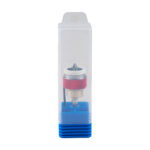
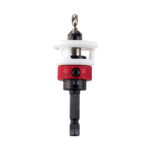
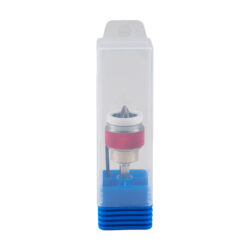
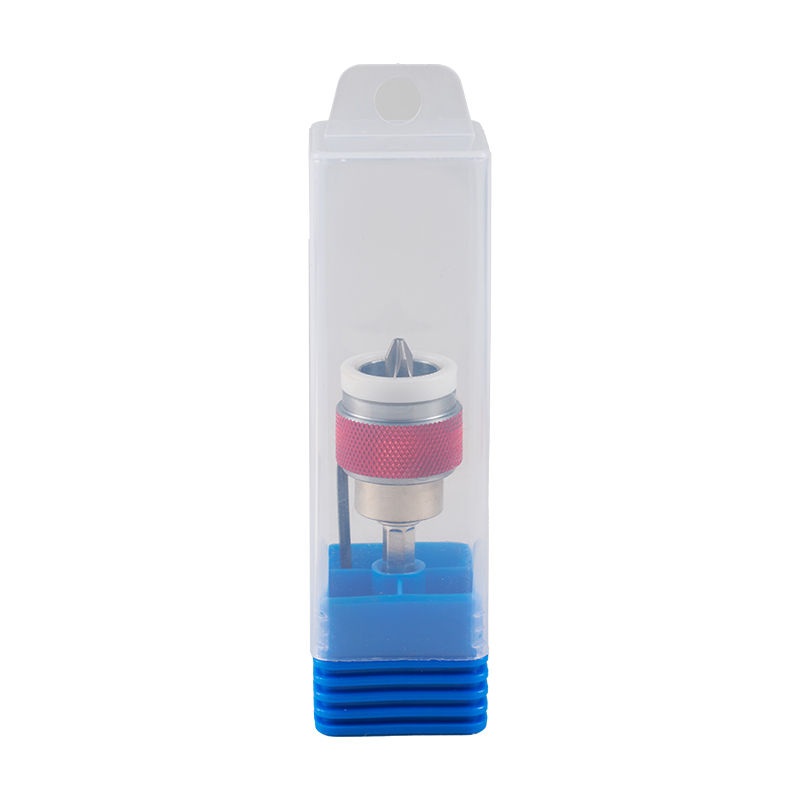
A drywall screw setter factory produces screw-driving bits with a built-in depth stop or dimpler collar, used to drive drywall screws to a consistent flush or slightly dimpled depth without breaking the face paper. Sold wholesale for tradesmen, contractors, and tool distributors, these setters mount on a standard drill or driver. Buyers usually compare bit size, collar style, advertised material, and pack quantity. The property that decides whether every screw lands at the right depth without tearing the drywall paper is the depth-stop control and the bit’s engagement with the screw head, and it is the detail most buyers overlook.
The depth stop sets the driving limit. The collar or shoulder around the bit rests against the drywall surface and stops the bit once the screw reaches the intended depth, so the screw neither stands proud nor sinks through the paper. A stop that sets too deep drives the screw through the face; one that sets too shallow leaves the screw raised and unfinished. A steady, repeatable stop lands each screw at the same dimple level, and the depth setting should not drift or compress after many fasteners, so one screw after another seats to the same level.
Bit engagement grips the screw head. The bit tip must fit the screw recess so it seats fully and turns the screw without slipping out or stripping the head. A tip that does not match the recess rides up and rounds the drive; a matched, snug-fitting bit keeps the screw centered and driven cleanly to depth.
Bit hardness keeps the tip from wearing. The driver grade and heat treatment must hold hardness at the tip so it stays shaped through repeated driving instead of rounding over. A soft tip deforms after a short run and loses its grip on the screw; a wear-resistant, hardened bit keeps engaging the recess drive after drive.
Shank fit holds the setter in the drill. The shank must match the chuck or driver holder so it seats straight without slipping or spinning. An undersized shank wobbles in the holder and pulls the bit off the screw; a matched shank that locks in place keeps the setter aligned while driving.
Stop concentricity keeps the collar level. The stop collar should run true around the bit so it contacts the drywall evenly all around rather than rocking on one side. An off-center collar leans the bit and lets the screw drive deeper at one edge; a concentric collar rests flat and holds a consistent depth around the screw head.
Wholesale consistency keeps each setter matching. Bits off the line should repeat the same stop depth, tip fit, and shank size one after another, so bulk orders perform uniformly. Loose tolerances leave some setters stopping true and others shallow or deep; steady tooling and inspection keep the depth control even across production.
Test a sample setter on scrap drywall rather than judging the bit marking: drive a row of screws and check each sits at the same flush dimple without broken paper, seat the bit in a screw recess to confirm it grips without slipping, mount it in the chuck to check for wobble, and compare two setters from the batch for matching stop depth and tip fit. These depth-stop setting, repeatability, bit engagement, tip hardness, shank fit, collar concentricity, and consistency qualities decide whether the setter drives screws to a clean flush seat. A factory that holds a steady stop depth, fits the bit to the recess, and matches the shank and collar sends out setters that seat screws evenly and hold up in bulk use; one that treats the stop control and bit fit as secondary details delivers setters that drive too deep or shallow, strip heads, wobble in the chuck, or vary depth between units.