Grease Trap Cleaning and Pipe Inspection Echuca
A blocked drain in a commercial kitchen never arrives at a good time. It usually shows up on a Friday night, with a full dining room and a smell nobody wants to explain to customers. Most of these problems start long before the first overflow, either with a grease trap that has been left too long or with a pipe that has been quietly deteriorating underground. Regular grease trap cleaning keeps fats and oils out of your drains, and a professional pipe inspection Echuca businesses and homeowners can rely on shows you exactly what is happening inside your pipes before a small fault becomes an expensive one.
Envirovac Industries is a second-generation, family-owned business with more than 30 years of experience servicing the Echuca-Moama region and customers across Victoria and New South Wales. Our work covers hydro excavation, septic waste removal, drain cleaning, CCTV pipeline inspections, pipe relining, robotic pipe cutting, and more. This guide explains how grease traps work, why cleaning matters, and how camera inspections protect your property.
What Is a Grease Trap?
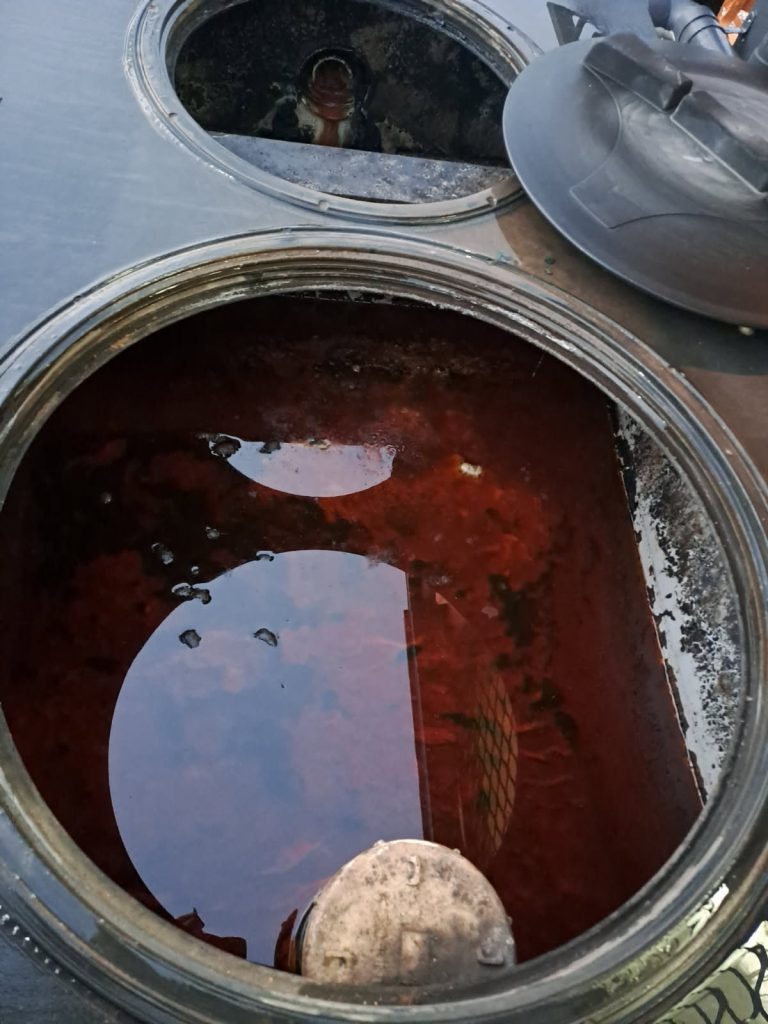
A grease trap, sometimes called a grease interceptor, is a device that captures fats, oils, and grease before they enter the sewer or drainage system. It is common in restaurants, cafés, pubs, takeaways, hotels, bakeries, and any business that handles food.
Here is how it works:
- Wastewater flows in from sinks, dishwashers, and floor drains.
- The water slows down, giving fats and oils time to cool.
- Grease floats to the top, while heavier solids settle at the bottom.
- Cleaner water flows out into the drainage system.
Over time, the trap fills with grease and solids. If it is not emptied, it stops working and the problem moves down your pipes.
Why Grease Trap Cleaning Matters
Neglected grease traps cause some of the most common and costly drainage problems.
- Blockages: Grease hardens inside pipes and restricts flow.
- Odours: Decomposing waste creates unpleasant smells in kitchens and dining areas.
- Overflows: A full trap can back up, causing mess and downtime.
- Pests: Rotting food waste attracts insects and vermin.
- Damage to drains and sewers: Grease build-up can harm wider systems.
- Compliance risks: Many councils and water authorities have rules about grease trap maintenance, so check the requirements that apply to your business.
- Lost income: A kitchen that cannot operate is a kitchen that cannot earn.
How Often Should a Grease Trap Be Cleaned?
There is no single schedule that suits every business. Frequency depends on trap size, the volume of cooking, the types of food prepared, and local requirements. A busy commercial kitchen may need regular, scheduled cleaning, while a smaller operation may need it less often.
A simple rule of thumb: do not wait for problems. If you notice smells, slow drains, or a trap that looks heavily loaded, it is already overdue. A professional can recommend a schedule based on how your business actually runs.
What Does Professional Grease Trap Cleaning Involve?
A proper clean is more than skimming the surface.
- Inspection: Check the trap’s condition, level, and any signs of damage.
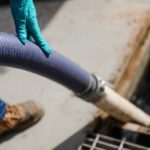
- Removal of grease and solids: Vacuum equipment removes waste from the trap.
- Cleaning of internal surfaces: Walls, baffles, and lids are cleaned to remove build-up.
- Safe disposal: Waste is taken away and handled responsibly.
- Reassembly and checks: The trap is refitted and checked to make sure it is working properly.
- Records: Good providers can supply service records, which help with compliance.
Warning Signs Your Grease Trap Needs Attention
- Slow-draining sinks in the kitchen
- Bad smells around floor drains or the trap area
- Gurgling sounds from pipes
- Visible grease build-up or a full trap
- Water backing up from floor drains
- Frequent blockages in the same drain
- Flies or other pests near the kitchen waste area
What Is a Pipe Inspection?
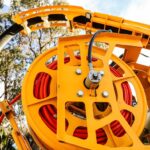
A pipe inspection, also known as a CCTV inspection, uses a small waterproof camera on a flexible cable to look inside your pipes. As the camera travels through the line, a live video feed shows the pipe’s condition, and the operator can record footage and mark the exact location of any fault.
It is the most accurate way to find out what is going on underground, without digging up your garden, driveway, or floors.
What Can a Pipe Inspection Reveal?
- Blockages: Grease, debris, and foreign objects.
- Tree root intrusion: Roots entering through joints and cracks.
- Cracks and breaks: Damage from age, ground movement, or heavy loads.
- Collapsed or misaligned sections: Pipes that have shifted or sunk.
- Corrosion and scale build-up: Narrowing that reduces flow.
- Faulty connections: Poorly joined or damaged junctions.
- The cause of recurring problems: Pinpointing why a drain keeps blocking.
When to Book a Pipe Inspection
- Repeated blockages in the same drain
- Unexplained odours or damp patches
- Before buying a property: Know the condition of the drains before you commit.
- After grease trap or drain cleaning: Confirm the line is clear and in good condition.
- Before relining or repairs: The camera shows exactly what is needed.
- Slow drains with no obvious cause
- After storms or heavy rain if you suspect damage
How Cleaning and Inspection Work Together
Cleaning removes the build-up, and inspection shows the condition of the pipe. Used together, they give you a complete picture: what was causing the problem, how serious it is, and what needs to happen next. For food businesses especially, regular grease trap cleaning combined with occasional pipe inspections protects your kitchen from sudden shutdowns and expensive emergency call-outs.
Simple Ways to Reduce Grease Problems
- Scrape plates and pans into the bin before washing.
- Never pour fats or oils down the sink. Let them cool and dispose of them properly.
- Use sink strainers to catch food scraps.
- Train staff on correct kitchen waste practices.
- Keep a cleaning schedule and record each service.
- Avoid harsh chemicals that can push grease further down the line.
- Report problems early rather than waiting for a backup.
Choosing a Local Specialist
Look for a provider with proven experience, the right equipment, and clear communication. A local, family-owned business understands regional conditions, including ageing infrastructure, soil types, and the needs of rural and commercial properties. Experience across grease trap cleaning, drain cleaning, CCTV inspections, pipe relining, hydro excavation, and septic waste removal also means problems can be handled from start to finish, without passing you between multiple contractors.
Final Thoughts
Prevention is almost always cheaper than repair. Scheduling regular grease trap cleaning keeps your kitchen running, your drains clear, and your premises free of unpleasant surprises, while a professional pipe inspection Echuca locals trust gives you clear answers when something does not seem right. Watch for early warning signs, follow good habits, and bring in an experienced team when you need one.
To learn more about Envirovac Industries and our services, visit envirovacindustries.au.
Frequently Asked Questions
1. What is a grease trap?A grease trap is a device that captures fats, oils, and grease from kitchen wastewater before it enters the drainage system.
2. Which businesses need grease trap cleaning?Restaurants, cafés, pubs, takeaways, hotels, bakeries, and any business that prepares food typically need regular grease trap cleaning.
3. How often should a grease trap be cleaned?It depends on the trap size, volume of cooking, and local requirements. A professional can recommend a schedule that suits your business.
4. What happens if I don’t clean my grease trap?Grease builds up, causing blockages, odours, overflows, pests, and possible damage to your drains.
5. What is a pipe inspection?It is a camera inspection where a small waterproof camera travels through your pipes to show their condition and locate problems.
6. Does a pipe inspection involve digging?No. The camera is fed through existing access points, so you avoid unnecessary excavation.
7. When should I book a pipe inspection?Book one if you have repeated blockages, bad smells, or slow drains, or if you are buying a property or planning repairs.
8. How can I get started with Envirovac Industries?You can learn more about our services through our website at envirovacindustries.au.