Industrial Style Corner Wall Shelf: The Corner Bracket Decides the Fit
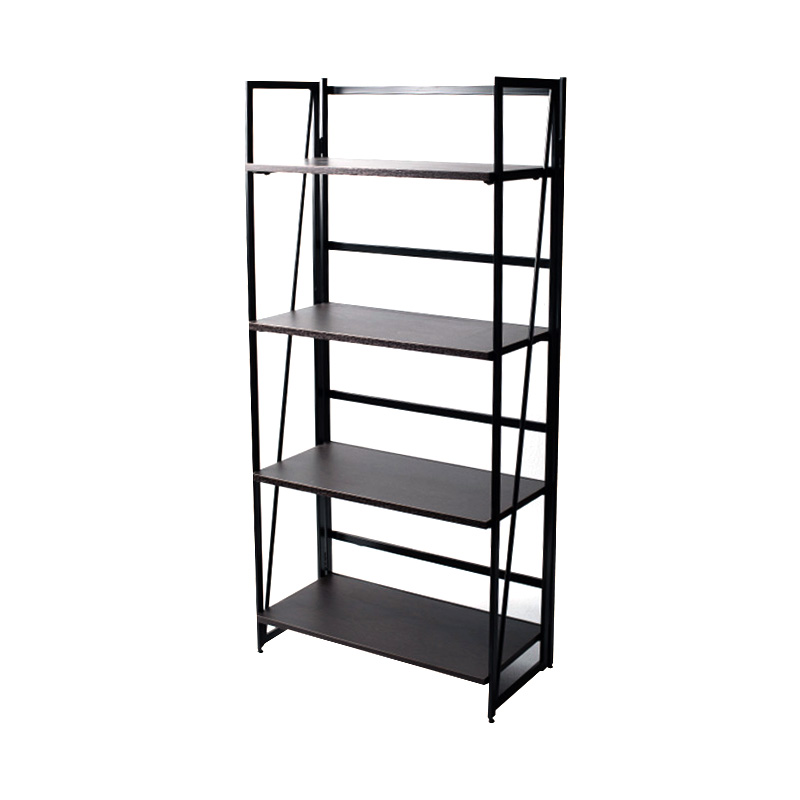
An industrial style corner wall shelf mounts into the inside corner where two walls meet, usually in a triangular or right-angle shape, used to hold books, plants, tools, and decor in kitchens, workshops, living rooms, and storage rooms. Buyers usually compare board finish, tier count, frame color, and how the shelf looks against the wall. The part that decides whether the corner shelf sits flat, stays level, and holds weight without tipping is how the corner bracket spans the two adjacent walls, and it is the part most buyers overlook.
The corner bracket anchors to two walls at once. A corner shelf does not hang from one flat surface; its back edge meets a right-angle joint, and the bracket must fasten to the wall on both sides so the load splits across the two surfaces. If only one side carries the screws, the shelf leans toward the unfastened wall, and the corner edge drops under weight. A bracket shaped as an angle plate, with mounting holes on both wings, spreads the pull across adjacent walls and keeps the unit square to the corner. Securing both wings gives the shelf a two-sided hold instead of a one-sided grip.
The right-angle fit decides whether the shelf rocks. The bracket and board must follow the corner’s angle closely, with the back corner sitting into the joint rather than bridging a gap. A shelf cut or bent off-square leaves a wedge behind one side, and the board rests on one edge, rocking whenever something is set on it. Matching the bracket angle to a true ninety degrees, and trimming the board corner to the same line, lets the back lie flush against both walls with no side lifted. The pointed rear corner must also sit fully supported on the bracket rather than hanging past its edge, so it does not sag unsupported.
Support under the board resists deflection. Corner shelves reach out over an open span, and the board can bow toward the room if the bracket stops short of the front edge. A diagonal brace from the corner bracket to the front edge holds the shelf level, particularly on deeper tiers where objects sit away from the wall. Spacing brackets to carry the board across its width, and sizing the board to expected load, keeps the tier from dipping toward the front.
Load on a corner shelf tends to shift toward the open front. Items near the room edge lever against the bracket, and a weak corner joint lets the outer edge rise or drop. The bracket’s horizontal arm must hold the board down against that lever action, with fasteners keeping the plank from lifting at the front. A rigid corner frame carries that outward pull back into both walls instead of letting the shelf twist.
Look straight into the corner after installation and the real test is visible at the back: whether the bracket touches both walls, whether the board corner sits flush without a gap, and whether the outer edge stays level when weight goes on the front. Those details decide whether the corner shelf stores things steadily or works loose over time. A shelf that looks sharp in the corner but anchors to one wall, or leaves a gap behind one side, was built around its silhouette; one that lasts was built around the two-wall corner hold first, the shape following that support.