Wire Types and Filament Sizes from a Wire Wheel Brush Producer
Defining Performance Through Material and Gauge
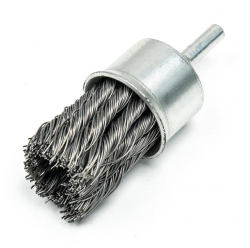
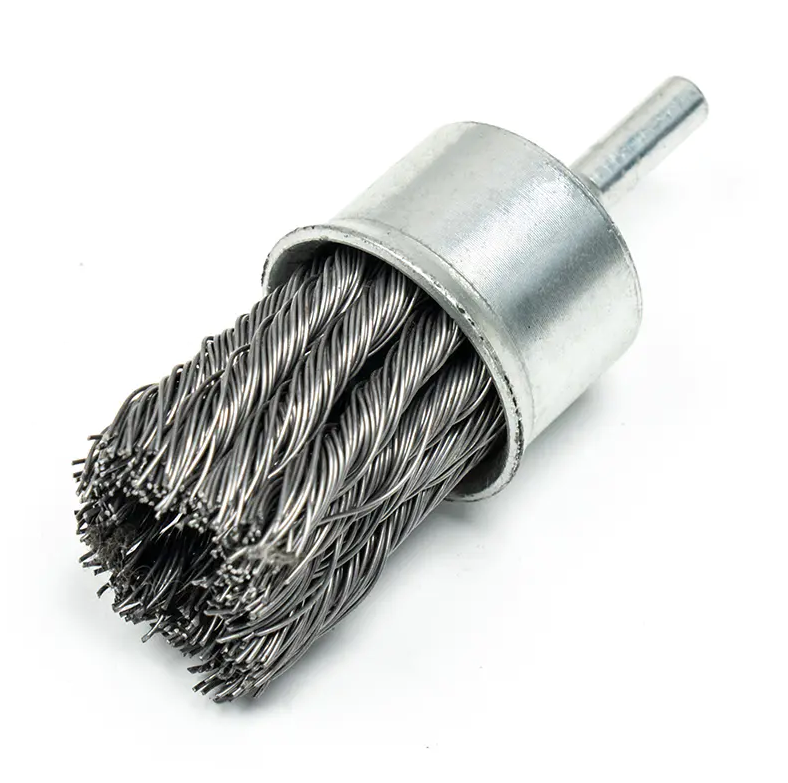
The selection of wire material and its diameter is the core determinant of a wire wheel brush’s function. A professional wire wheel brush producer offers a curated range of options to address the spectrum of industrial needs, from aggressive cleaning to delicate surface finishing. The choice balances cutting power, durability, and compatibility with the workpiece material.
Primary Wire Material Types
The application dictates the material choice. A comprehensive wire wheel brush producer typically supplies:
High-Carbon Steel (Spring Steel): The standard for general-purpose and heavy-duty work on ferrous metals. It provides strong cutting action for removing rust, scale, weld slag, and old paint. It is offered in bright or zinc-plated finishes for mild corrosion resistance.
Stainless Steel: Essential for use on stainless steel, aluminum, and other non-ferrous metals to prevent cross-contamination and rust staining. It is also the choice for corrosive environments or food-grade applications.
Brass and Bronze: Softer materials used for cleaning and polishing softer base metals (copper, brass, aluminum) without scratching. They are also specified for non-sparking requirements in hazardous locations.
Crimped vs. Straight Filament: Beyond alloy, the filament form matters. Crimped wire offers a flexible, full-bodied contact for cleaning and blending. Straight wire provides aggressive, focused cutting power for reaching into seams and pores.
Understanding Filament Diameter (Gauge)
The wire thickness, or filament diameter, defines its stiffness and aggressiveness. A capable wire wheel brush producer provides a range, commonly measured in thousandths of an inch (e.g., 0.010″) or millimeters (e.g., 0.25mm).