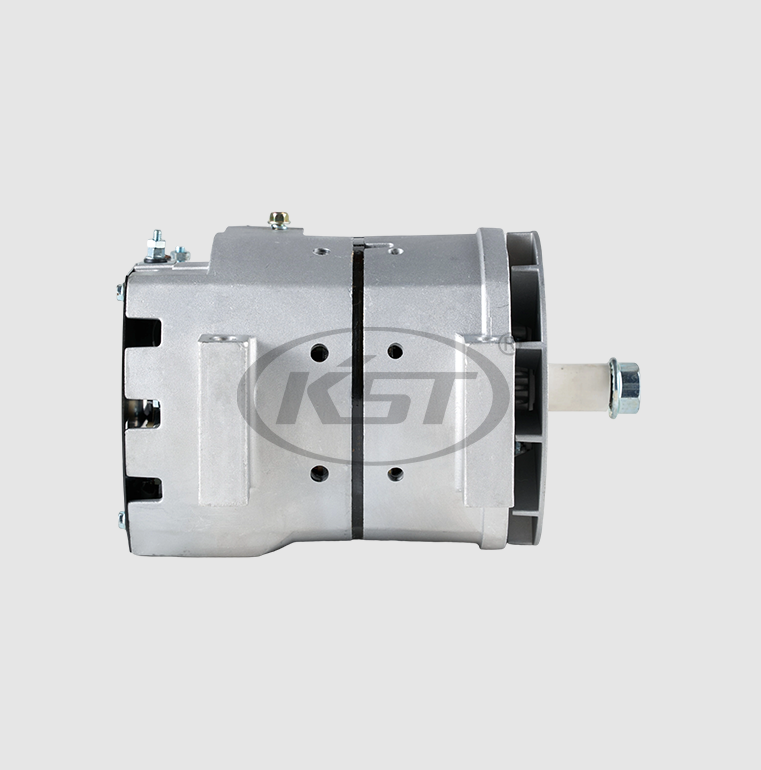
Quality Control and Testing Standards in Alternator Manufacturing
A Framework for Reliability and Consistency
Producing a reliable alternator requires more than assembly; it demands a systematic approach to quality embedded in every stage of production. A professional alternator manufacturer adheres to a structured quality management system (QMS) and implements a rigorous battery of tests. These protocols are designed to ensure each unit meets precise performance specifications, complies with safety regulations, and delivers consistent durability in the field. This discipline is what separates a quality-focused alternator manufacturer from a mere assembler.
Core Quality Management System: ISO 9001
The foundational standard for most reputable manufacturers is ISO 9001:2015. Certification to this standard verifies that the alternator manufacturer has established a documented QMS covering all processes—from design and purchasing to production, inspection, and service. It mandates a process of continuous improvement, corrective action for defects, and traceability of materials. Following ISO 9001 provides a framework that ensures consistency and systematic problem-solving, not just final product checking.
In-Process Quality Control (IPQC)
Quality is built in, not inspected in. Throughout the manufacturing line, an alternator manufacturer conducts IPQC checks. This includes:
Incoming Material Inspection: Verifying the specifications of raw materials like copper wire, steel laminations, silicon steel, bearings, and seals against defined standards.
Dimensional and Visual Checks: Using gauges, calipers, and visual inspection for critical components like stator windings, rotor shaft dimensions, and housing machining.
Electrical Testing of Sub-Assemblies: Checking stator windings for short circuits, opens, or grounding issues before final assembly.