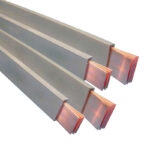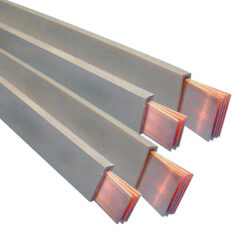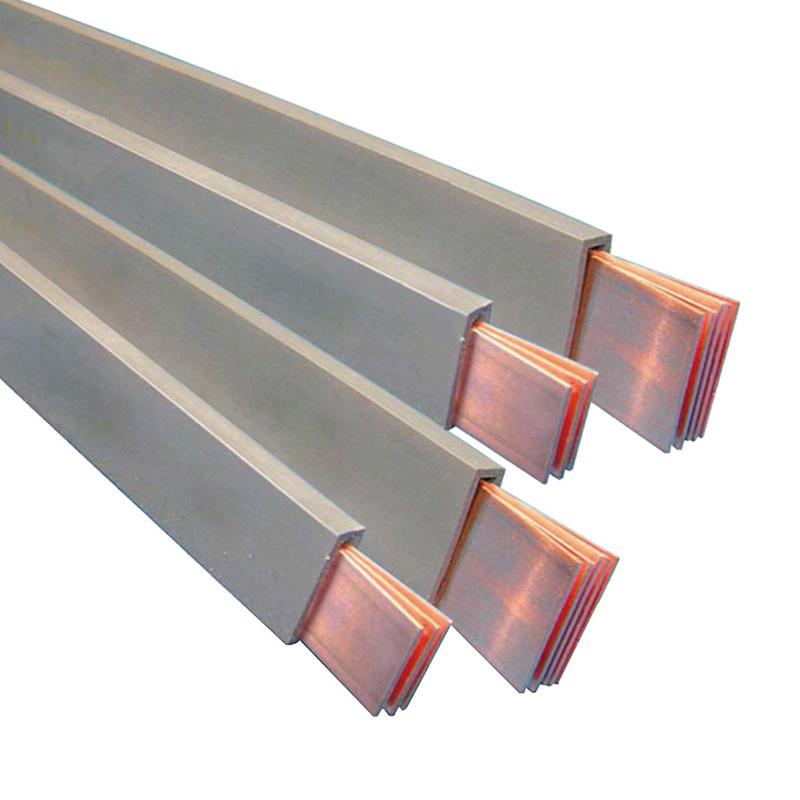
Flexible Busbar PVC Coated: The Bend Radius Decides the Insulation
Flexible busbar PVC coated products are used in battery packs, switchgear, and compact power assemblies where the busbar must carry current and bend to fit the installation. Buyers compare copper thickness, laminate count, and voltage rating. The specification that decides whether the coating survives the installation is the bend radius, and it is the number the buyer evaluates least.
The bend radius is the tightest curve the busbar can be formed to without damaging the coating or the copper. A flexible busbar made from multiple thin copper sheets can bend further than a solid bar, but the coating has its own limit. A coating that is stretched beyond its elongation cracks at the outside of the bend. The crack exposes the copper, which creates a short-circuit risk and a point for corrosion.
The coating’s elongation determines the bend radius it can tolerate. A PVC coating with a higher elongation bends further before cracking. A coating with a lower elongation cracks at a wider radius. Factories that specify the coating for the busbar’s required bend radius produce products that survive installation.
The copper laminate’s construction affects the bend radius. A busbar with more, thinner layers flexes more easily than one with fewer, thicker layers. The layers must be bonded so that they do not separate when the busbar bends. Factories that control the lamination and that test the busbar through repeated bends produce products that last.
The bend radius must be published. An installer who does not know the limit bends the busbar as tight as the space requires, and the coating cracks. Factories that publish the minimum bend radius for each product, and that mark the busbar or the packaging, give the installer the information needed to avoid the crack.
The voltage rating and the insulation resistance must hold after bending. A busbar that passes a dielectric test flat and fails after bending was not tested in the installed condition. Factories that test the insulation resistance after bending produce busbars that meet the rating where it matters.
The temperature rating affects the coating and the current capacity. A PVC coating has a lower temperature limit than the copper, and the busbar’s current rating must account for the coating’s limit. Factories that publish the temperature derating produce busbars that run within their limits.
The practical question for a buyer is not the copper thickness or the voltage rating. It is the minimum bend radius and whether the coating survives it. That answer decides whether the busbar insulates after installation. A busbar that passes a dielectric test flat and cracks at the bend was specified without the bend radius the installation requires.