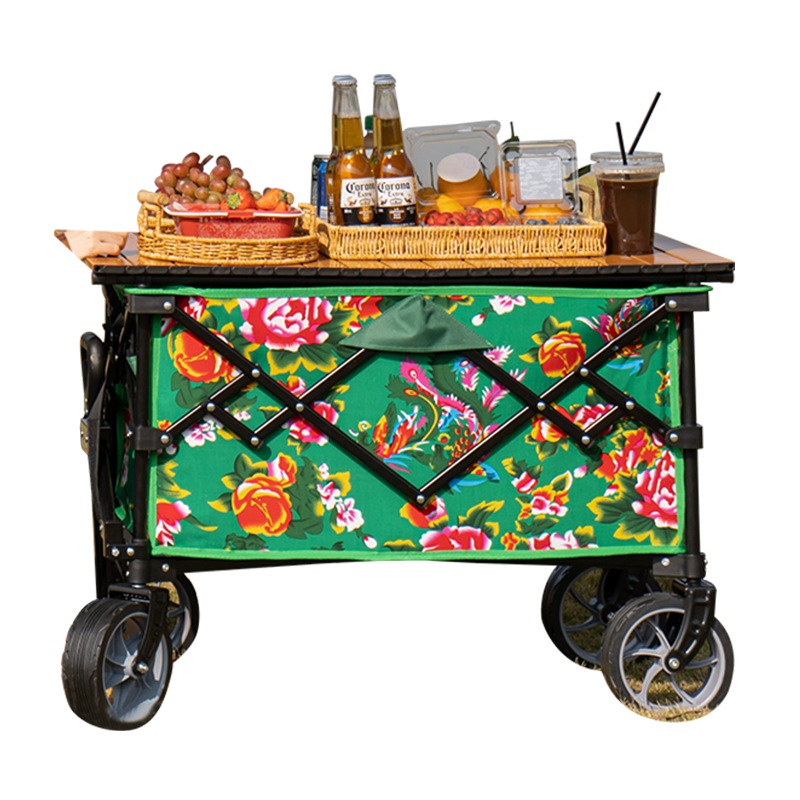
Outdoor Camping Medium Wagons: The Wheel Compound Decides the Campsite
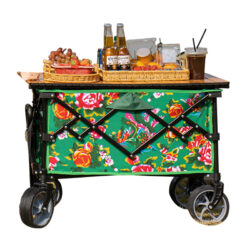
Outdoor camping medium wagons are bought by families and casual campers who need to move gear from the car to the campsite. Buyers compare load capacity, folded size, and wheel diameter. The specification that decides whether the wagon rolls across the campsite or drags is the wheel compound, and it is the one the catalog rarely mentions.
Campsites are a mix of surfaces: gravel roads, grass, dirt paths, and soft ground after rain. A wheel with a hard compound rolls easily on gravel but sinks into soft ground. A wheel with a soft compound grips soft ground but deforms on hard surfaces and increases rolling resistance. The ideal compound depends on where the camper goes. Factories that offer wheel options for different surfaces let the buyer match the wagon to the trip.
The tread pattern follows the compound. A wide, open tread grips loose ground and sheds mud. A smooth tread rolls easily on hard surfaces but slips on wet grass. Factories that specify the tread for the intended terrain produce wagons that perform.
The wheel diameter affects how the wagon handles obstacles. A larger wheel rolls over rocks and roots more easily than a small one. A smaller wheel is lighter and more compact when folded. Factories that balance the diameter against the folded size produce wagons that suit the camper’s vehicle.
The bearing type determines how the wagon rolls under load. Sealed bearings resist dust and grit, which matters on a campsite. Open bearings roll freely but collect debris and wear faster. Factories that specify sealed bearings for outdoor use produce wagons that last.
The frame and the fabric carry the load. A frame that is not rigid allows the fabric to sag. A fabric that is too thin tears on branches. Factories that design the frame and the fabric as a system produce wagons that carry the camping load.
The handle must adjust for the user’s height and the terrain. A telescoping handle lets the user pull the wagon at a comfortable angle. Factories that offer an adjustable handle produce wagons that are easier to use.
The practical question for a buyer is not the load capacity or the wheel size on the label. It is what the wheels are made of and how they perform on the ground the camper actually crosses. That answer decides whether the wagon rolls or drags.